
If you train hard but feel stuck, the problem might not be your workout plan. It could be how well you recover. Many active people in Morocco fitness push themselves too hard, then wonder why they don’t get better.
UCHealth experts often say the same thing: rest is key. Jessica Yeaton at the UCHealth SportsMed Clinic and Dr. Karin VanBaak at the CU Sports Medicine & Performance Center say recovery is simple but vital. It’s when your body fixes itself and gets stronger.
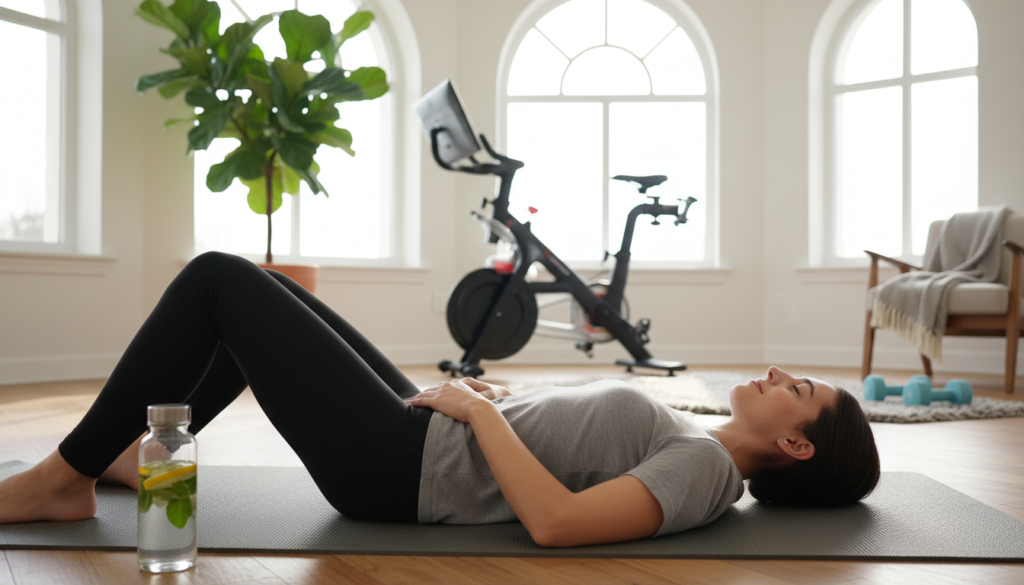
workout recovery
This review looks at magnisium & melatonin, popular sleep supplements. They’re marketed for athlete recovery because sleep quality affects how you perform the next day. But, recovery supplements aren’t magic. They can’t fix a chaotic routine.
Whether you’re a student athlete, a weekend lifter, or getting back into training later in life, recovery is personal. This guide will cover the basics that matter most—sleep, stress, warm-ups and cool-downs, active recovery, and fueling—then show where magnisium & melatonin may fit.
Key Takeaways
- Workout recovery is when your body does the work of rebuilding and muscle repair.
- UCHealth clinicians link better results to better recovery habits, not just harder sessions.
- magnisium & melatonin are often sold as sleep supplements because sleep drives next-day performance.
- Recovery supplements can support a solid routine, but they won’t replace sleep, food, and stress control.
- These principles apply across Morocco fitness, but your ideal recovery plan depends on your life and training load.
- This product review will focus on practical levers first, then evaluate how sleep aids might help.
Recovery is where the real gains happen, not during training
Hard training is just the start. Recovery is where the real growth happens. When you train hard, your body breaks down tissue. Then, during rest, it rebuilds it stronger.
Good recovery makes your next workout feel easier. You can see your progress more clearly.
Muscle repair and growth happen during rest and sleep after microscopic muscle tears
Strength training causes tiny muscle tears. This happens when you lower weights slowly or train at long lengths. Dr. Karin VanBaak says the workout is just the start. The real repair happens later.
Sleep is key for muscle growth. At night, your body fixes tissues and balances hormones. This helps your muscles recover well with your training.
Recovery is the process of reducing fatigue and returning to baseline (or better) performance
In sports science, recovery is more than just resting. It’s about reducing fatigue first. Then, you adapt to perform better in your next session.
Training hard, like to failure, or doing lots of volume, needs more recovery time. This helps protect your strength and performance.
Under-recovery can temporarily reduce force output and performance and raise injury risk
Not enough recovery can quickly lower your performance. You might do reps slower or move clumsily. It can also increase injury risk.
Too much training can lead to longer recovery times. This might make your next workout less effective, even if you’re eager to start.
Stress, cortisol, and why “more workouts” can backfire
Hard training might seem good, but your body only counts the total load, not just gym time. This can make cortisol and exercise a tricky mix, adding to life’s stress.
In Morocco, people often face long commutes, family duties, and late work hours. High stress athletes might add more sessions without realizing they’re already drained.

cortisol and exercise
Training stress stacks with life stress
Life stress and training add up like weights on the same bar. Work pressure, school deadlines, and relationship tension all stress your body must handle.
High cortisol levels can make you finish a workout but never feel fully relaxed. Jessica Yeaton at UCHealth says this steady stress state can slow down the rest and digest phase, where repair happens.
When you can’t shift into recovery mode
If you can’t get into rest and digest mode, healing slows down. This can affect your immune system recovery, increase illness risk, and make strength harder to access.
Planning lighter days is just as important as planning hard days. A simple reset can be a true rest day, an easy session, or a short break that lets your system settle.
Common signs you need rest
Overtraining signs often show up as patterns, not one bad day. A performance dip lasting a week to a month is a classic red flag.
- Persistent fatigue that doesn’t match your sleep
- Unexplained drop in performance or pace
- Lingering aches and pains, tightness, or heavy legs
- Sleep disruption, agitation, or mood changes
- Poor appetite, more frequent colds, or feeling “run down”
- Higher resting or workout heart rate, and higher perceived effort
VanBaak notes that once overtraining syndrome sets in, it can be hard to unwind. About 60% of elite athletes and 30% of non-elite endurance athletes are affected, showing mood disturbance, dehydration risk, lower libido, and increased body fat.
For high stress athletes, the goal is not to fear training. It’s to match intensity to the week you’re actually living, so cortisol and exercise don’t stay stuck on “on.”
Sleep quality: the most overlooked performance tool for athletes and busy adults
Training breaks you down a little; sleep builds you back up. For many athletes and busy adults in Morocco, sleep quality for recovery is the habit that slips first, even when workouts stay on track.
When your nights get chopped up, your body pays for it the next day. Focus fades, reaction time slows, and small mistakes show up in warm-ups, lifts, and long runs.
Sleep supports tissue repair, hormone regulation, immune function, and mood
During deep sleep, the body shifts into maintenance mode. That’s when muscle tissue rebuilds, soreness settles, and immune defenses recharge.
Sleep also helps steady mood and decision-making, which matters when training stress meets work, school, and family demands. Keeping sleep quality for recovery consistent can make hard sessions feel more manageable.
Sleep loss can drag endurance and disrupt hormones
Research connects sleep deprivation and endurance with a real drop in aerobic output. You may feel it as heavier legs, faster breathing, and a shorter fuse when pace climbs.
There’s also a hormone angle: cortisol and sleep are tightly linked, and short nights can keep cortisol higher. At the same time, growth hormone repair can be blunted, which is a rough combo when you’re trying to heal and adapt.
That fatigue can raise injury risk, too. When you’re low on sleep, poor timing and sloppy form show up at the worst moments.
Sleep hygiene that actually helps
- Keep the room cool and dark to reduce wake-ups and make sleep feel deeper.
- Make your bed a sleep-only zone: avoid work, scrolling, or watching TV in bed.
- Go screen-free as you wind down, specially right before lights out; simple sleep hygiene tips like this are easy to repeat.
- Stick to a steady routine, even on weekends, because inconsistent schedules can chip away at sleep quality for recovery.
Sleep needs are personal, but families can use the American Academy of Pediatrics ranges as a guide: ages 6–12 need 9–12 hours, and ages 13–18 need 8–10 hours per night.
If you’re exploring melatonin sleep support, treat it as a helper, not a replacement for the basics above. The best results come from a consistent routine that protects sleep quality for recovery.
Active recovery, warm-ups, and cool-downs that improve how you feel tomorrow
Feeling better tomorrow often starts before you even begin. A good dynamic stretching warm-up and a cool-down walk can make a big difference. It’s like a circulation recovery that keeps your body moving, even on busy days.

active recovery
Dynamic stretching sets the tone before you train
A dynamic stretching warm-up uses full-range moves that match your workout. It wakes up your nervous system and boosts blood flow. This makes you feel more coordinated and ready to go.
Light movement after hard work helps you rebound
After intense effort, it’s important to move. A short cool-down walk keeps muscles active and supports recovery. It helps move waste out of worked tissue.
It also helps separate sensations. The burning feeling during hard intervals is often from lactic acid buildup. Next-day tenderness is more about muscle damage. Gentle movement, food, and time tend to work better than staying static.
Simple active recovery options that don’t drain you
Good active recovery raises your heart rate a bit but avoids repetitive patterns. It delivers oxygen and nutrients to muscles, tendons, and ligaments.
- walking
- brisk walking/jogging
- swimming/aquatic activity
- cycling/stationary cycling
- elliptical or rowing machine
- light weightlifting using 30%–40% less weight than usual
Programming can be simple, too. Easier sessions like training opposing muscle groups or light aerobic work can act as active recovery. Even a short training pause before a priority workout can be enough.
Stretching and rolling: use what helps you feel better
Static stretching can feel relaxing, but its performance payoff is not always clear. The same goes for foam rolling soreness. If it helps you unwind and move with less stiffness, it’s usually a good add-on.
If you like cold plunging, keep expectations realistic. Some people use it after hard sessions, and it may reduce markers tied to lactic acid buildup. But it’s not required for solid circulation recovery. For many athletes, 5–10 minutes of easy movement plus a steady cool-down walk does more for how the body feels the next morning.
magnisium & melatonin: product-review guide for better nighttime recovery
Training is like sending a signal, and sleep is the response. Magnisium & melatonin help because sleep is when our bodies fix muscles, balance hormones, support the immune system, and improve mood.
Looking at sleep supplements is all about practicality. They’re tools to help, not a replacement for good training, enough food, and a regular bedtime.
Why sleep-focused supplements get attention
Poor sleep makes training harder and less sharp the next day. It also raises stress, slowing down recovery and making focus harder.
Magnesium and melatonin are key because they work during sleep, not during workouts. This is when our bodies do most of the repair.
What to look for on a label
Stick to simple, clear, and consistent labels. The best supplements are easy to use every night.
- Clear dosing for each ingredient, with a serving size that makes sense
- Third-party tested supplements with published batch testing or a visible certification mark
- Simple formulas that avoid long “proprietary blends” and heavy stimulant add-ons
- Consistent-use guidance so timing and expectations are easy to follow
In Morocco, check local availability and import rules before buying. Choose brands that share testing documents and full labels, as quality can vary.
Who may benefit most
These supplements are great for those with lots of stress from training, work, school, or family. A calm pre-bed routine is as important as the supplement itself.
Endurance athletes might also benefit, as sleep loss can lower aerobic output. And if your schedule is unpredictable, consistency is key.
How to fit them into a full routine
Begin with a simple recovery stack: a cool, dark room, less phone time before bed, and a consistent wind-down. Supplements work best when the basics are in place.
Match your sleep plan with post-workout nutrition. Eat within two hours of training, with protein for repair and carbs for glycogen replenishment.
This combo supports insulin response, speeding glycogen storage and recovery. A bit of fat may slow digestion but usually doesn’t cancel benefits.
If soreness and fatigue keep building, review your training plan. Frequent failure sets, high volume, and hard lower-body work increase recovery needs, even with good sleep support.
Conclusion
Exercise breaks you down, but recovery is when you repair and rebuild. To perform better in workouts, rest is essential. It’s as important as the workout itself.
Skipping recovery means stress stays high and cortisol lingers. This makes it hard to heal and can increase injury risk. It also makes you weaker in the gym, even when you’re trying hard.
A good recovery starts at night. Keep your room cool and dark, avoid screens before bed, and follow a routine. Add active recovery like warm-ups and easy walks to help your body.
Remember, rest days are important. Some people need one day off every 7-10 days, while others prefer two. Don’t forget to eat enough and balance your diet. Carbs help you recover faster.
If sleep is a problem, consider magnesium and melatonin. But they work best when you have good sleep habits and a balanced routine. This includes smart training, active recovery, and real rest days.