
When you walk into a pharmacy in Casablanca or browse a Moroccan marketplace, you’ll see lots of supplements. This guide aims to help you find the best food supplements in Morocco. It’s about finding value without getting caught up in hype.
The supplement industry is huge, with people spending about $60 billion a year in the U.S. on supplements. That’s about $175 per person. Yet, many supplements lack solid evidence. So, looking for value should be your first step, not last.
In this article, we focus on supplements that are worth it. These include vitamin D, psyllium fiber, fish oil/omega-3s, magnesium, and protein powder. If you’re looking for supplements that are practical and effective, these are good choices.
You won’t find trendy supplements like alpha-lipoic acid or muscle-builders like creatine here. We focus on supplements backed by solid evidence. This makes it easier to choose the right ones for you.
Our credibility comes from UCHealth Today and experts like Erin “Wren” Cahoon and Mahtab Jafari. They help us guide you in choosing the best supplements in Morocco. We aim to give you a clear view of what’s worth your money.
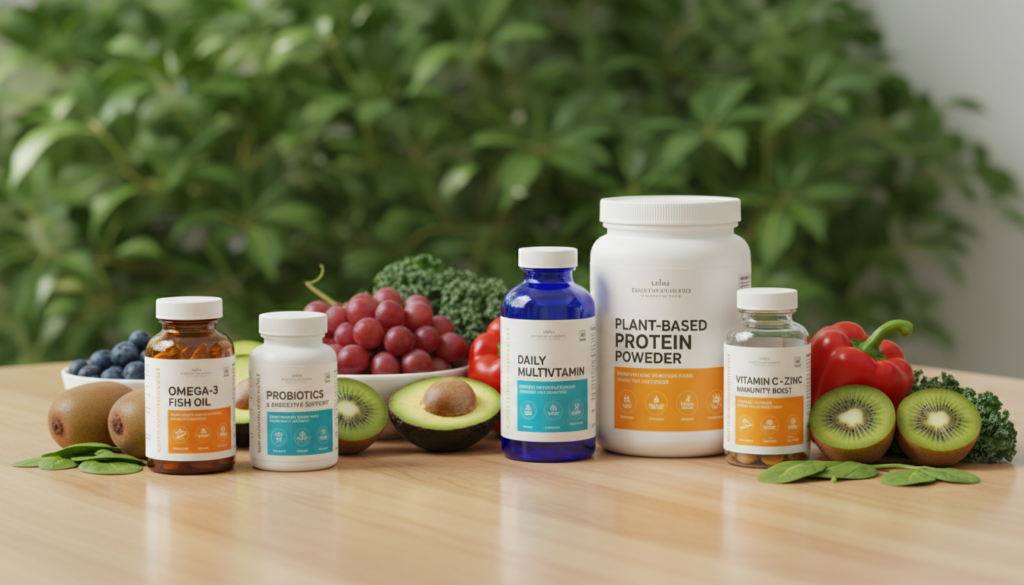
best food supplements
Key Takeaways
- This Morocco-focused review highlights best food supplements with the most practical, everyday benefits.
- Spending is high, but strong proof is not—so aim for supplement value for money, not bold claims.
- The five picks are vitamin D, psyllium fiber, fish oil/omega-3s, magnesium, and protein powder.
- Many popular “anti-aging” and “muscle-builder” products are excluded to keep this list tight and useful.
- This is centered on evidence-based supplements, with safety and common-sense buying priorities.
- If you want high-value supplements, start with products that solve a clear need and fit your diet.
How to Choose High-Value Supplements in Morocco
Finding the best food supplements in Morocco can seem easy at first. But, when you examine labels, claims, and serving sizes closely, it’s not that simple. A good choice is about evidence, not just promises. It’s also about finding something that fits well into your daily life.
Remember, invest in quality checks, not in exaggerated claims. This way, you spend your money wisely and ensure safety when comparing different products.
Look for third-party testing labels like NSF and USP for dosage and purity
Look for third-party tested supplements on the bottle. NSF certified and USP verified labels are signs of quality. They ensure the product’s identity, purity, and correct dosage.
These labels help when comparing similar products at various stores. They reduce the uncertainty of blends, mega-doses, and “proprietary” formulas.
Understand that dietary supplements aren’t FDA-approved like medications
Unlike prescription drugs, supplements aren’t reviewed by the FDA before sale. So, it’s up to you to check labels, ask questions, and choose brands that share quality standards.
When issues arise, action often comes after products are sold. This knowledge helps you shop more wisely and avoid buying on impulse.
Prioritize food first with a balanced plate (fruits, vegetables, beans, nuts, seeds, whole grains, lean proteins)
For the best value, focus on food. A balanced diet with fruits, vegetables, beans, nuts, seeds, whole grains, and lean proteins is key. It provides most of what your body needs before adding supplements.
If you do choose supplements, use them to fill specific gaps. This approach helps you spend less and use what your body can benefit from.
Know the common risks: label inaccuracy, contamination, and interactions with prescription medicines
Even well-known products can vary more than expected. Always view the label as a starting point, not a promise. Be cautious of contamination risks, like with fish oil, botanicals, and some powders.
Also, be aware of interactions with prescription drugs. This is critical if you take medications for blood pressure, diabetes, thyroid issues, or blood thinners. Discuss your entire list of medications, including herbs and “detox” products, with a pharmacist or doctor.
- Check the basics: one active ingredient when possible, clear dosage, and simple directions.
- Avoid risky categories: products for quick weight loss, sexual enhancement, or extreme muscle gain.
- Match the form to your needs: capsules for steady dosing, powders only when you can measure accurately.
Vitamin D Supplements for Bone Health and Mood Support
In Morocco, many people spend a lot of time indoors. This can affect how much sun they get. So, many look for a reliable vitamin D supplement for their daily health.

vitamin D for mood support
Why vitamin D is worth it: helps absorb calcium for bones and teeth
Vitamin D helps your body use calcium better. This is key for strong bones and teeth. If you don’t get enough sun or vitamin D, your bones might suffer.
Some also believe vitamin D can help with mood. This makes it a top choice for those focusing on bone health and mood.
Who may benefit most: older adults, people with limited sun exposure, and those at risk of deficiency
Some groups are more at risk for low vitamin D. Older adults and people with darker skin need more sun to make vitamin D.
Those who spend a lot of time indoors also face a higher risk. Jobs that keep you inside, or always wearing sunscreen, can lead to deficiency.
- Older adults, including many people over 75
- People with chronic health issues that affect absorption
- Anyone indoors most of the day, including students and office workers
Typical dosing ranges mentioned in guidance: 600 IU under age 71, 800 IU after; many experts suggest 800–1,000 IU (upper safe limit often cited as 4,000 IU/day)
Guidelines suggest 600 IU for adults under 71 and 800 IU for those older. Many doctors recommend 800–1,000 IU daily, based on diet and sun exposure.
When looking at supplements, remember to check for vitamin D3. It’s often preferred. Taking up to 4,000 IU daily is usually safe, but more can be risky.
Smart usage tip: take with a meal that contains some fat; consider a blood test (commonly cited target level: at least 30 ng/mL)
Vitamin D works better with fat. So, take it with a meal that has some fat, like olive oil or eggs. This can help a lot over time.
Getting a vitamin D blood test can also help. Aim for a level of at least 30 ng/mL. This can guide whether you need a regular dose or a quick fix.
Psyllium Fiber as a Prebiotic for Digestion and Cholesterol Support
If your diet lacks beans, veggies, and whole grains, you might not get enough fiber. In Morocco, many people turn to psyllium husk as a simple way to boost their fiber intake. They add it to tea, yogurt, or smoothies.
Psyllium is great for digestion when used correctly. It helps maintain regular bowel movements. Many use it for constipation caused by travel, stress, or eating less fiber.
Why it’s worth it
Psyllium turns into a soft gel when mixed with water. This gel helps move food through your system smoothly. It’s perfect for those who struggle to eat enough fiber during busy days.
It works well with foods like lentils, oats, and nuts. If you can’t get enough fiber from food alone, a supplement can help. It makes it easier to stay regular without changing your diet drastically.
Prebiotic angle
Some fibers feed good gut bacteria. Psyllium is often talked about with other prebiotics like inulin. These are great for better digestion and less bloating over time.
- Tip: Mix thoroughly and drink another glass of water after, so the fiber can do its job comfortably.
- Easy use: Stir into oatmeal, blend into a berry-and-spinach smoothie, or whisk into plain yogurt.
Potential heart-health perk
Psyllium may also help your heart. It can lower cholesterol levels. Many people see this as a benefit when they use it daily with a low-fat diet.
This is why it’s in products like Metamucil. You can find these brands in many Moroccan stores and pharmacies.
How to start
Start small. Begin with a small dose for a few days. Then, gradually increase it as your body gets used to it.
- Begin with half a serving mixed into plenty of water.
- Increase gradually every few days if you feel comfortable.
- Separate fiber from prescription meds by a couple of hours if you can.
If you prefer a familiar format, Metamucil is a good starting point. When shopping locally, look for psyllium husk products that taste good and mix well.
Fish Oil and Omega-3s for Triglycerides and Heart Health
When looking for heart health supplements in Morocco, omega-3s are often a top choice. It’s important to understand their benefits and who they’re best for.
Why it’s worth it
Omega-3s are great for lowering triglycerides. They also provide DHA, which is why many products highlight it. This makes them a good choice for those with high triglyceride levels.
For many, fish oil acts as a supplement when seafood isn’t a regular part of their diet.
Who it’s for
People who don’t eat fish regularly can benefit the most from omega-3 supplements. If you already eat fish like sardines or salmon, you might not need extra capsules.
For those who avoid fish, algae DHA vegan options are a good choice. They provide DHA without using marine products. Many prefer them for their taste and dietary fit.
Quality and safety notes
Quality is key. Even if a bottle is within date, some softgels can go rancid. This can cause a strong smell or taste, often due to heat or light exposure.
It’s also wise to watch your cholesterol levels. Some people check their LDL after starting fish oil, as reactions can differ.
Buying guidance
Before buying, check the label for omega-3 breakdowns. Look for clear DHA numbers if that’s what you’re after. This helps compare fish oil products with algae DHA vegan options.
- If you want omega-3s without extra vitamin A, skip fish liver oil and choose a regular fish body oil instead.
- Store capsules in a cool, dry place to help lower the odds of rancid fish oil smell or taste.
Magnesium Supplements for Migraines and Common Shortfalls
Magnesium is often overlooked until headaches start to disrupt our lives. In Morocco, it’s mentioned alongside other supplements for headaches. But it’s important to understand its limitations.
Why it can be worth it
For those with frequent migraines, magnesium is a practical option. It affects nerve signals and blood vessel tone. This is why it’s often used in migraine treatments.
But magnesium is also touted for sleep and muscle cramps. While these benefits sound appealing, the evidence isn’t always solid. It’s wise to keep expectations realistic.
Who may be low
Magnesium deficiency is widespread, even with seemingly healthy diets. Older men, those with gastrointestinal issues, and type 2 diabetics are at higher risk.
Before turning to supplements, check your diet. Beans, lentils, nuts, seeds, whole grains, leafy greens, and fortified foods can boost your magnesium levels.
Form matters
Stomach issues are a common reason people stop taking magnesium. At high doses, it can cause a laxative effect, similar to milk of magnesia.
If you want a supplement that’s easier on the stomach, magnesium glycinate is a good choice. It’s known for being gentler, making it easier to maintain a regular routine.
Protein Powder for Meeting Daily Protein Needs and Healthy Aging
Protein powder can be a quick fix when meals get boring. It’s easy to add to breakfast, a post-workout drink, or even oats. But remember, whole foods are the main source of nutrition.
Keep a mix of beans, nuts, fish, egg whites, tofu, and lean meat on hand. Use protein powder for a quick energy boost. Many in Morocco compare whey to plant protein, looking for taste, digestion, and cost.
protein powder Morocco
Why it’s worth it
Protein powders can help if you can’t get enough protein from food. They’re great on busy days when cooking is hard.
Think of them as a supplement, not a meal replacement. This keeps your diet full of fiber, vitamins, and minerals.
Baseline needs
A good starting point for daily protein is 0.34 grams per pound of body weight. For a 150-pound person, that’s about 50 grams.
This amount is similar to what you get from a 6-ounce chicken breast. A small shake can fill the gap when you’re short on protein.
Higher needs with training and age
If you’re active or trying to build muscle, you might need 50% more protein. That’s why many gym-goers choose whey protein Morocco for convenience.
As we age, our bodies might not keep muscle as well. Older adults might benefit from a steady protein intake throughout the day.
Safety and label notes
Always check the ingredients list. Some people avoid erythritol protein powder due to health concerns. Erythritol has been linked to heart issues and blood clots.
It’s also important to watch out for lead in protein powder. Some products have been found to have high levels of lead. Choose brands that publish quality tests.
- Scan for simple formulas with clear serving sizes and fewer additives.
- Consider third-party testing for purity and heavy metals when available.
- Check medication fit if you take prescriptions or manage kidney or liver issues.
Use it effectively
Don’t overdo it with protein in one sitting. Research shows that eating too much can be less effective. For a 150-pound person, that’s about 27 grams at a time.
Instead, spread out your servings across meals. This approach works whether you prefer plant protein or whey.
Conclusion
Looking for the best food supplements? Look for clear, evidence-based benefits. Vitamin D is great for bone health and for those who don’t get enough sun. Psyllium fiber is simple to use and helps with regularity, gut health, and cholesterol.
Fish oil and omega-3s are good for the heart, lowering triglycerides and adding DHA. Magnesium is useful for migraines and common diet shortfalls. Protein powder is handy for daily needs, with training, busy lives, or aging.
But, a smart guide for buying supplements in Morocco starts with caution. Choose safe, third-party tested supplements with NSF or USP labels. Remember, supplements aren’t regulated like medicines, so quality can vary.
Be wary of high fraud risk products, like those for sexual performance or weight loss. Always check with a doctor or pharmacist if you’re on prescription medicine. Used right, supplements can help, but they’re not a replacement for a balanced diet or medical care.